
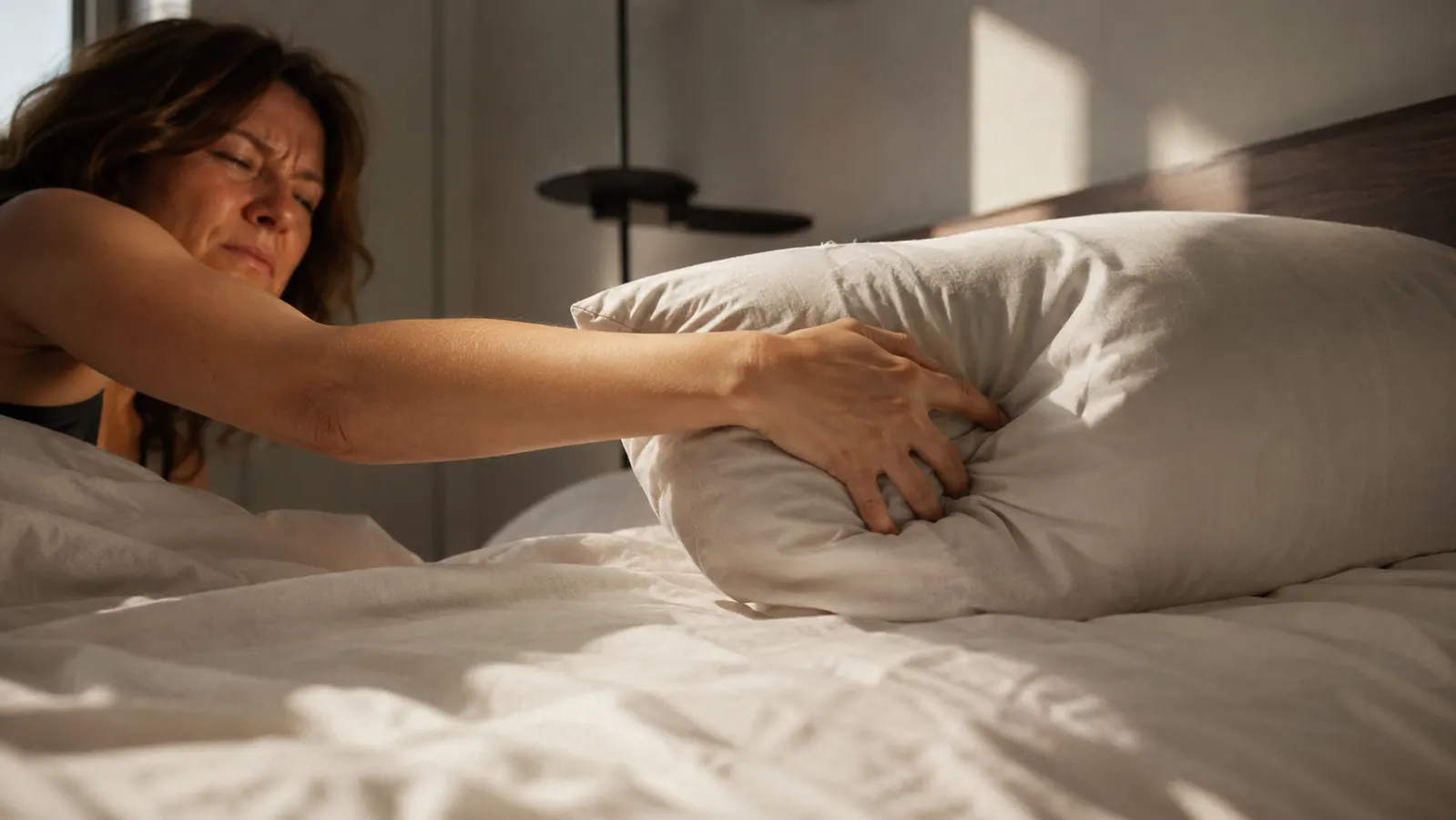
At 1:42pm, which was my version of 2am for the better part of a decade, I peeled my cheek off a hot spot on the pillow, flipped it over, and lay back down already doing the math on how long the cool side would last before it warmed up too. Eight minutes, maybe ten on a good day. I did this flip so many times a shift that I stopped noticing I was doing it, until the afternoon I woke my husband mid-flip and he asked, half asleep himself, whether I was wrestling something. What eventually ended the flipping was a cooling pillow, a Weekender gel memory foam one, but it took me most of a year and a lot of bad ideas to get there.
I spent eleven years producing an overnight radio show, which meant my actual sleep happened between roughly 9am and 4pm, in a west-facing second-floor bedroom that caught the worst of the afternoon sun through the gap in the blackout curtains. Daytime traffic noise drifted up from the street the whole time too, so for years I assumed light was my real enemy. It wasn't. Heat was.
A west-facing room in the early afternoon is a small greenhouse whether you want it to be or not. By the time I climbed into bed around 9am the room had already started warming, and by my personal 2am it was often noticeably hotter than any bedroom has any business being. My head has always run warm, and a regular pillow, whatever it's stuffed with, just holds that heat against your face with nowhere for it to go.
I tried the obvious fixes first. A box fan aimed straight at the bed. A gel ice pack wrapped in a pillowcase, which worked for about twenty minutes before it went from cold to clammy to just another warm lump under my head. I froze a spare pillowcase and swapped it in whenever I woke up sweating, which meant getting up anyway, which defeated the entire point of trying to sleep through something. None of it lasted longer than the first hour of a seven hour stretch.
A producer I worked with, someone who kept a similarly backward schedule doing overnights at a competing station, mentioned a cooling pillow almost in passing, the way you'd mention a fan or an extra blanket. I figured it was a marketing gimmick, gel swirled into regular memory foam for the photo on the box and not much else. I'd been burned by enough bedding labeled cooling that ran warm within a single night, and I wasn't in a hurry to spend money finding out again.
I stopped flipping the pillow somewhere around the third week, not because I decided to, but because I noticed one afternoon that I hadn't needed to.
The pillow that finally stayed cool longer than ten minutes
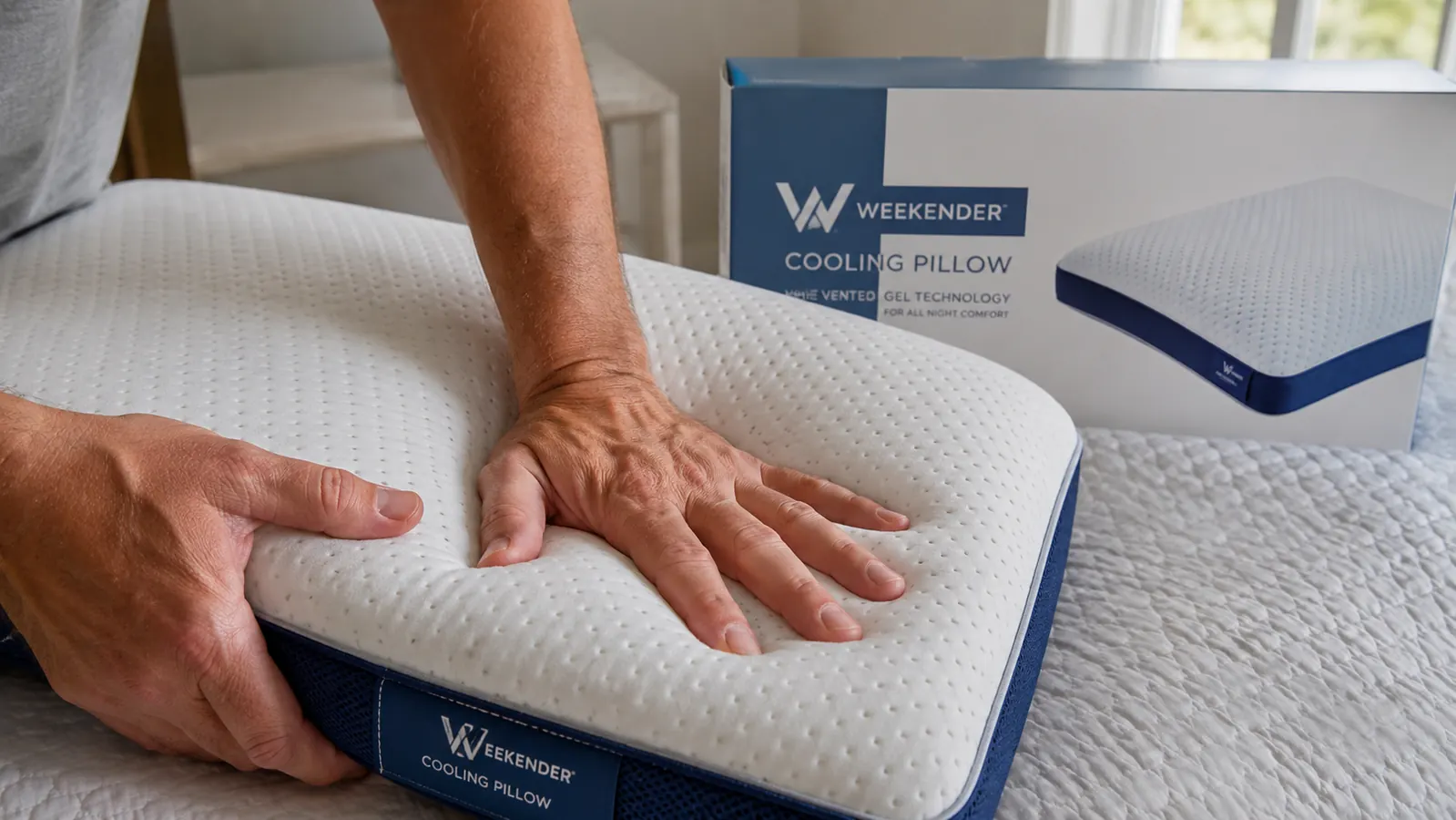
The <a href="/weekender-cooling-pillow-review-long-term">Weekender Cooling Gel Memory Foam Pillow</a> pairs a gel-infused top layer with a ventilated foam core, so the heat my head generates actually has somewhere to go instead of building up against my face. It's the pillow that's been on my bed going on two years now.
Amazon Check Today's Price on Amazon →The first afternoon I used it, I noticed the ventilation before I noticed anything about temperature, a grid of small holes across the surface I could feel more than see in the dim light. I lay down expecting the same twenty-minute countdown I'd trained myself to expect from every other pillow, gel-topped or otherwise. Twenty minutes came and went and the spot under my cheek was still cool enough that I reached over to check the other side, certain I must have rolled over without noticing.
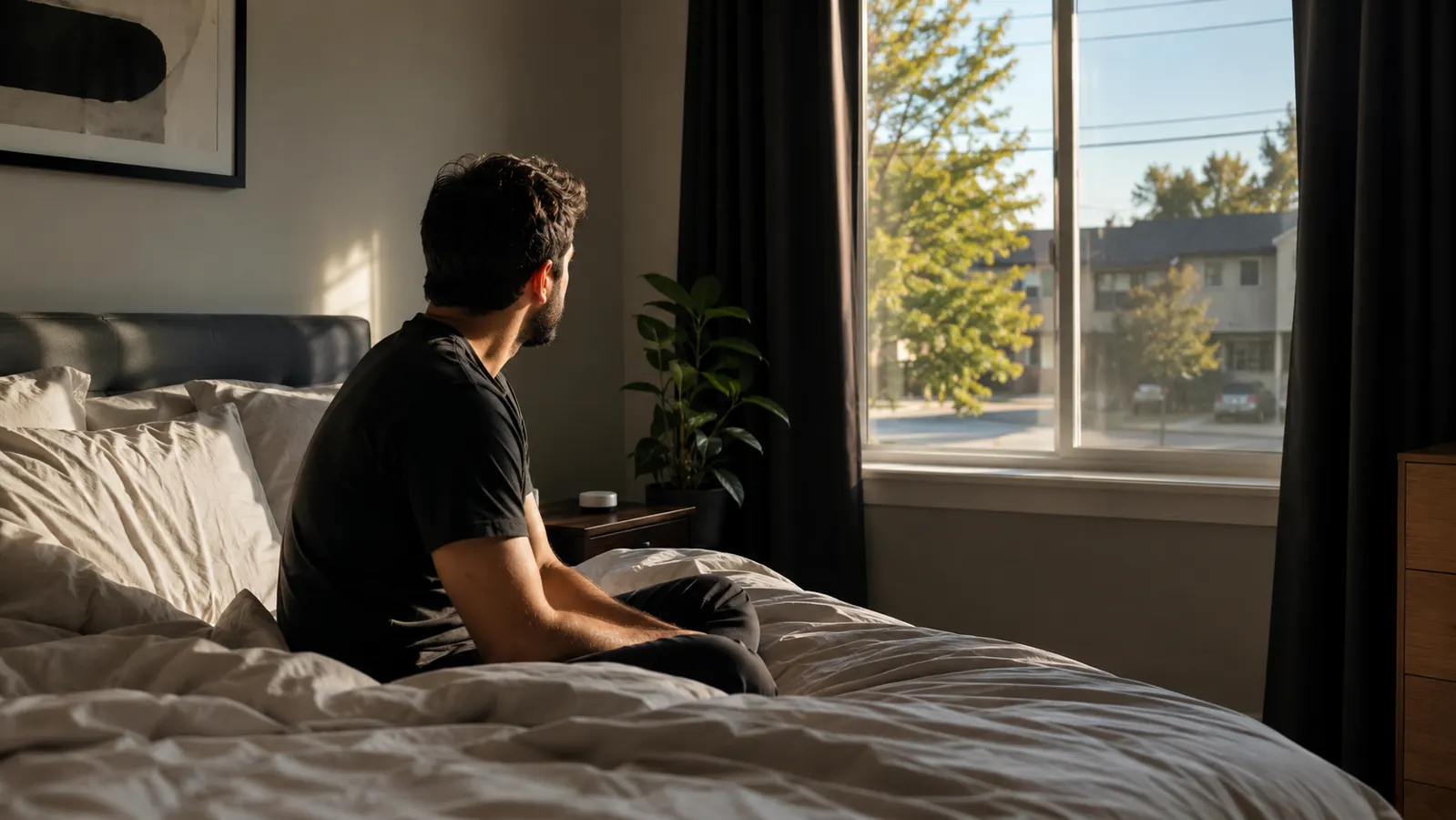
It didn't fix the room. The west-facing window still lets in more afternoon sun than any blackout curtain fully blocks, and the street below still has its regular flow of daytime traffic drifting up through the glass. What changed was that I stopped needing to escape the pillow itself. The gel layer draws heat away instead of trapping it the way solid memory foam does, and the vents underneath seem to keep air moving even under the weight of a head that's been producing heat for hours.
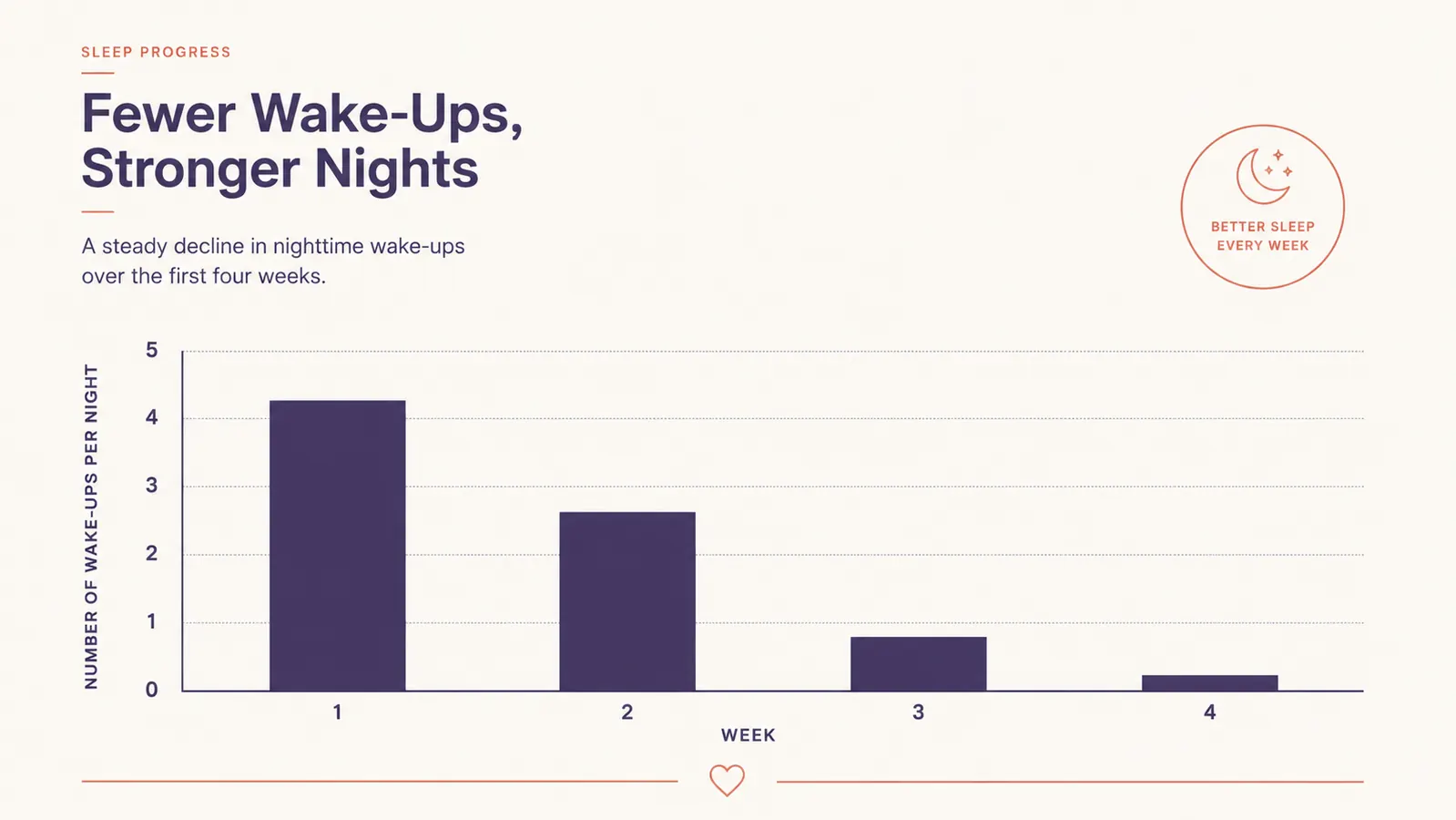
I started keeping a loose count on my phone, mostly to check whether I was imagining the improvement. In the two weeks before I switched, I was waking to flip or reposition something like six or seven times a shift, most days. Three weeks into the Weekender, that number was down to one, sometimes zero. I wrote a longer piece on exactly what changed and what didn't over six full months of using it, plus a separate walkthrough on stopping overheating specifically, if you want the full mechanics rather than just my story.
What I'd Tell You If We Were Sitting at My Kitchen Table
If you're the person doing the flip at 2am, whatever hour that actually falls on for your own schedule, I'm not going to tell you a pillow solves every sleep problem you have. It didn't solve mine. The sun still comes through that window every afternoon and the street below is never fully quiet. What it solved was the one thing I could actually control, which was whether my own pillow was working with me or against me. If you've already tried the ice packs and the frozen pillowcases and you're still doing the flip, a cooling pillow is a small enough thing to try before you decide the heat is just something you have to live with. It wasn't, for me.
Still flipping your pillow, looking for the cool side?
The Weekender Cooling Gel Memory Foam Pillow is the one change that actually stuck for me, and it's still the first thing I recommend to anyone who describes their nights the way I used to describe mine.
Amazon Check Today's Price on Amazon →